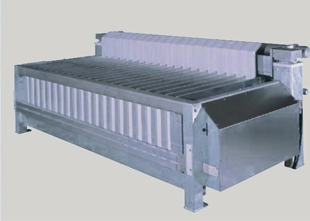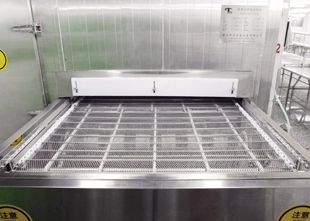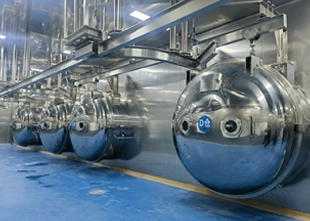
In industries where product quality, stability, and shelf life are non-negotiable, vacuum freeze drying (lyophilization) has become the gold standard for gentle dehydration. This sophisticated process removes moisture from frozen materials through sublimation, preserving structure, nutrients, flavor, and bioactive compounds far better than heat-based alternatives. For food processors, pharmaceutical manufacturers, and biotech companies scaling up production, industrial-grade freeze drying equipment delivers consistent results batch after batch.
At True Cold Chain, we specialize in designing and manufacturing robust vacuum freeze drying systems that meet the demands of high-volume commercial and industrial operations.
Vacuum freeze drying, commonly known as lyophilization, is a low-temperature dehydration technique that freezes the product first, then applies vacuum to allow ice to transition directly from solid to vapor without passing through a liquid phase. This gentle method avoids the cellular damage, nutrient degradation, and flavor loss often associated with traditional drying. The core principle is straightforward yet precise:
The material is frozen to solidify its water content.
A deep vacuum is created in the chamber.
Controlled heat is introduced so the ice sublimes, with the resulting vapor captured by a cold condenser.
Compared to hot air drying or spray drying, which rely on elevated temperatures and can cause shrinkage, oxidation, and significant loss of heat-sensitive components, freeze drying operates at sub-zero conditions. The result is a lightweight, porous product that rehydrates quickly and retains its original appearance, taste, and nutritional profile. This is precisely why industrial sectors increasingly depend on lyophilization for premium, high-value products that command better market pricing and longer distribution chains. In short: freeze drying is a highly efficient dehydration process that preserves structure, nutrients, and shelf life like no other method.
Large-scale lyophilizers follow a tightly controlled, three-stage process engineered for repeatability and efficiency.
1. Pre-freezing
The product is cooled well below its eutectic or collapse temperature on temperature-controlled shelves. Proper freezing creates optimal ice crystal formation, which directly influences drying speed and final product quality.
2. Primary Drying (Sublimation)
The chamber is evacuated to a deep vacuum (typically 0.1–0.6 mbar or lower). Gentle heat from the shelves supplies the energy needed for ice to sublime. Water vapor travels to the high-capacity condenser, where it refreezes. This stage removes the majority of free water—often 85-95% of total moisture.
3. Secondary Drying (Desorption)
Remaining bound moisture is removed by gradually raising shelf temperatures under continued vacuum. This final polishing step brings residual moisture down to 1% or less, ensuring long-term stability. Throughout the cycle, advanced vacuum systems (including rotary vane and Roots pumps) maintain precise pressure, while the cold condenser efficiently traps vapor to protect the vacuum pumps and shorten cycle times. Modern industrial units rely on PLC or SCADA automation for real-time monitoring, recipe management, data logging, and alarm systems—critical for regulatory compliance and process optimization.
Cycle times vary from 20 to 72 hours depending on product type, load thickness, and equipment design, but automation keeps labor requirements minimal. (Pro tip for your website: embed a clean, labeled process diagram here showing the three stages with icons for freezing, vacuum, sublimation, and condensation.)
When evaluating industrial vacuum freeze dryers, focus on features that deliver reliability, efficiency, and scalability:
Large chamber capacity — Oversized drying chambers and extensive shelf areas (often 50–200+ m²) support high-throughput production.
High-efficiency condensers — Large surface area and ultra-low temperatures (down to -60°C or below) maximize vapor capture and reduce cycle times.
Advanced vacuum control systems — Precise regulation ensures stable pressure throughout the process.
Uniform temperature distribution — Sophisticated shelf heating and cooling systems eliminate hot or cold spots for consistent drying across the entire load.
Energy-saving design — Variable frequency drives, optimized insulation, and intelligent controls help lower operational costs.
GMP / FDA / CE / ISO compliance — Sanitary stainless steel construction (304/316L), CIP/SIP capabilities, and 21 CFR Part 11-compliant documentation for regulated industries.
These vacuum freeze drying equipment systems are built for continuous, heavy-duty operation with minimal downtime, making them ideal for demanding production environments.
Understanding the distinction helps businesses choose the right scale:
Commercial freeze dryers typically handle smaller to medium batches. They suit startups, pilot production, or specialized food processors with moderate volumes. Automation levels vary, and investment is relatively lower.
Industrial freeze dryers are designed for large-scale, continuous or high-volume production. They feature significantly larger shelf areas, higher condenser capacities (hundreds to thousands of kilograms of ice), full automation, and robust construction for 24/7 operation.
If your operation requires steady, high-volume processing with strict quality control and regulatory compliance, industrial systems offer the best long-term ROI.
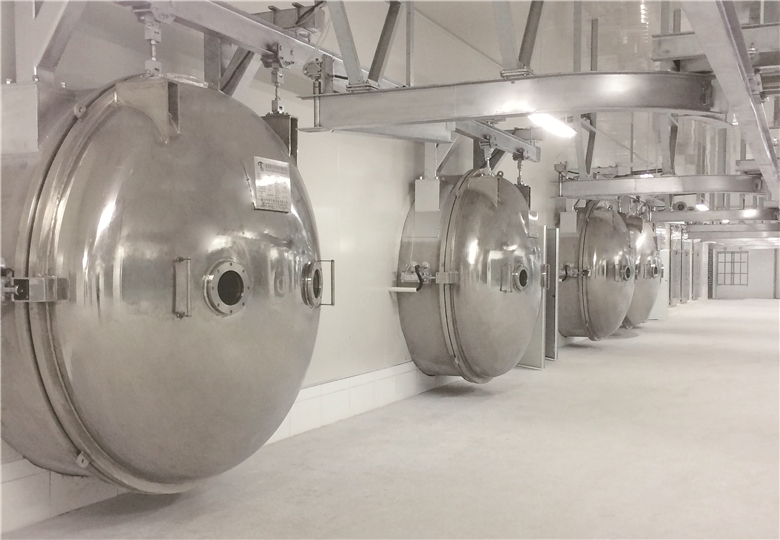
Industrial lyophilization serves diverse high-value sectors:
Pharmaceutical Industry
Used for vaccines, antibiotics, biologics, and injectables. The process maintains potency and stability of active ingredients without heat damage.
Food Processing
Ideal for freeze-dried fruits, vegetables, coffee, meats, seafood, instant meals, and premium pet food. It locks in natural color, flavor, and nutrients while creating lightweight products that are easy to transport and store.
Biotechnology
Preserves enzymes, probiotics, cultures, and other sensitive biological materials with high retention of activity.
Cosmetics & Nutraceuticals
Perfect for stabilizing active extracts, collagen, and high-end skincare or supplement ingredients. Whether you're searching for a freeze drying machine for food or a pharmaceutical freeze dryer, industrial systems deliver the quality and scale modern markets demand.
Selecting the optimal system requires careful evaluation. Use this practical checklist:
Required batch size and throughput — Match daily or weekly production targets to chamber and shelf capacity.
Chamber size & shelf area — Larger areas support bigger loads and better productivity.
Temperature range and control precision — Ensure the system can handle your product's specific freezing and drying requirements.
Vacuum level capabilities — Deeper, stable vacuum shortens cycles and improves efficiency.
Automation level — PLC/SCADA systems with recipe storage and data logging reduce operator error.
Regulatory compliance — GMP, FDA, CE, or ISO standards depending on your industry.
Choosing the right system directly impacts efficiency, product quality, and return on investment. Our engineers at True Cold Chain are happy to review your process requirements and recommend the best configuration.
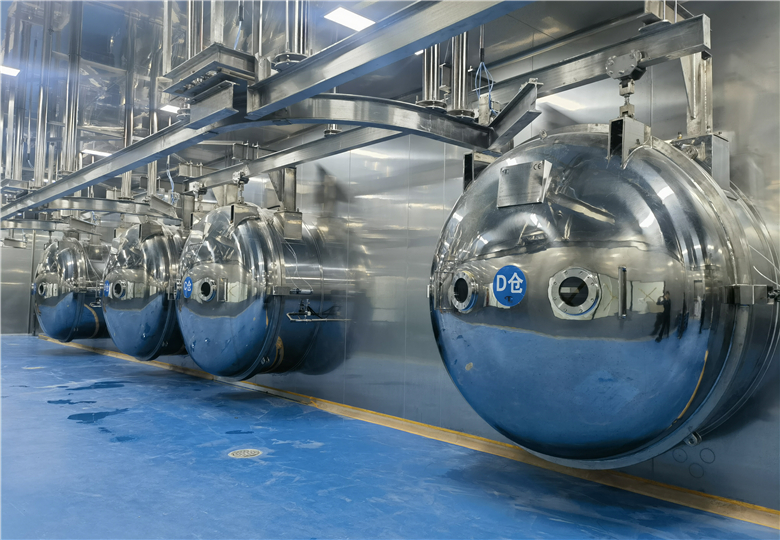
The business case is compelling:
Extended shelf life — Products often last years at room temperature without preservatives.
Minimal nutrient and quality loss — Superior retention of vitamins, flavors, and bioactive compounds compared to other drying methods.
Premium product pricing — Freeze-dried items command higher market value due to their superior quality and convenience.
Reduced transportation and storage costs — Dramatically lower weight and elimination of cold-chain requirements during distribution.
For forward-thinking manufacturers, industrial freeze drying isn't just a preservation method—it's a pathway to higher margins and expanded market reach.
Established in 2009 in Yantai, Shandong, China, True Cold Chain has grown into one of the leading industrial freeze dryer manufacturers, with deep expertise in refrigeration and vacuum technology. We combine over a decade of manufacturing experience with strong R&D capabilities and a portfolio that includes custom solutions for food, pharmaceutical, and pet food applications. We offer:
Flexible, customizable systems tailored to your unique production needs (loading capacities from hundreds to thousands of kilograms).
Comprehensive turnkey solutions, including supporting quick-freezing and cold-chain equipment.
Global project experience, with equipment operating successfully in over 40 countries.
Reliable after-sales support, installation guidance, and ongoing technical service.
Whether you need a standard production model or a fully customized line with automation and AGV integration, we deliver high-performance vacuum freeze drying equipment, including freeze dried food equipment, freeze-drying pet food processing machines, solutions for freeze dryer in pharmaceutical industry applications, and precision laboratory freeze dryer systems. In addition, we also provide advanced IQF equipment solutions to support rapid freezing and enhance overall production efficiency.
All our equipment is built for performance, reliability, and long-term operation. Ready to elevate your production? Request a quote today or contact our engineers for a personalized consultation. Let's discuss how a True Cold Chain vacuum freeze dryer can transform your process.
1. What is the typical capacity of industrial freeze dryers?
Industrial units range widely, from 50 kg to over 2000 kg per batch, with shelf areas from tens to hundreds of square meters depending on the model.
2. How long does the freeze drying process take?
A complete cycle usually lasts 20–72 hours, influenced by product type, load thickness, and equipment optimization.
3. Is freeze drying energy-intensive?
While it requires significant energy for refrigeration and vacuum, modern designs with energy-saving features and efficient condensers make it more economical than many alternatives when factoring in product quality and reduced waste.
4. What industries benefit most from lyophilization?
Pharmaceuticals, food processing (especially premium fruits, vegetables, and pet food), biotechnology, and nutraceuticals see the greatest advantages.
5. How much does industrial freeze drying equipment cost?
Pricing varies significantly based on capacity, customization, and features. Contact us directly for accurate quotations tailored to your production goals.
This is the last one.
 English
 français
 Deutsch
 Español
 русский
 العربية
 tiếng việt
 Türkçe
 საქართველო
 čeština
 Polska